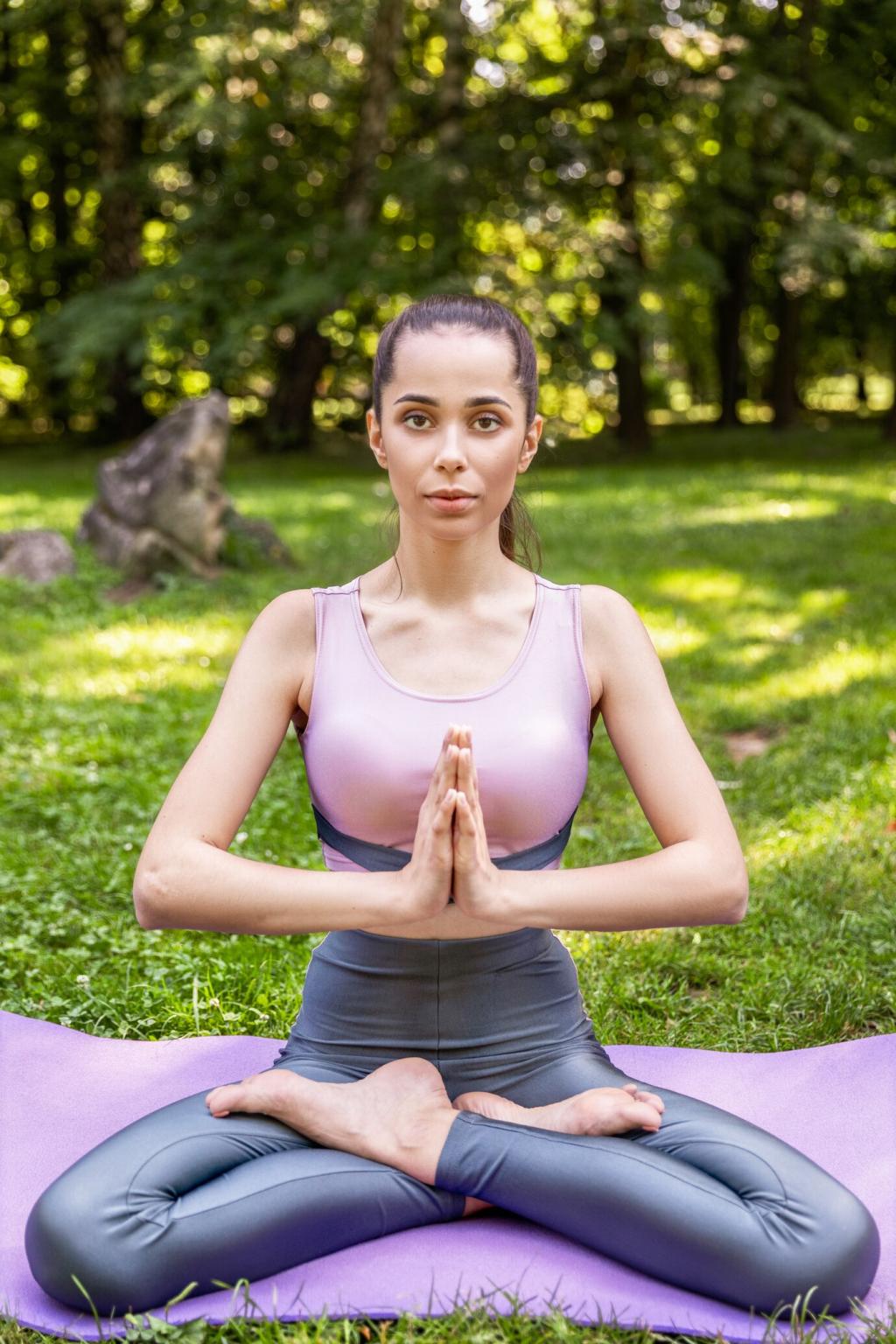
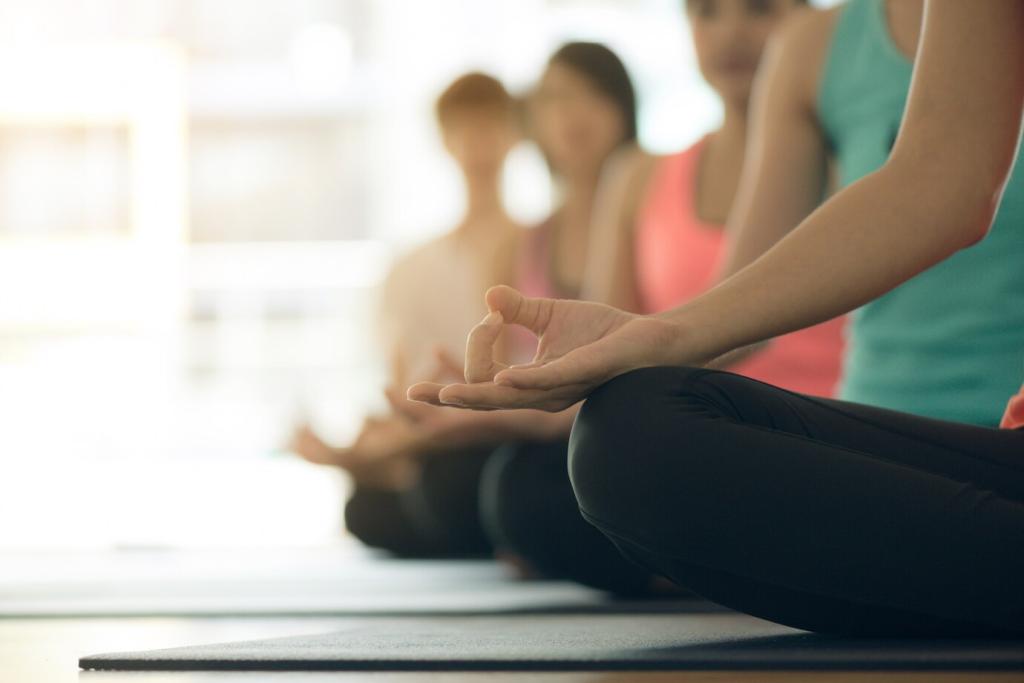
Chosen theme: Mantra Meditation for Yoga Sessions. Step onto your mat, soften your breath, and let sound become your guide. Here, we explore chant, rhythm, and intention to enrich every posture—inviting you to practice, share, and subscribe for weekly mantra-inspired insights.

Why Mantra Meditation Elevates Your Yoga Sessions

Vibration Meets Breath

When your mantra synchronizes with inhales and exhales, your nervous system finds a reliable metronome. The repeated sound cues diaphragmatic breathing, steadies transitions, and keeps attention returning to the present moment, even when poses challenge balance or emotions surge unexpectedly during your practice.

Neuroscience of Repetition

Repetition recruits neural pathways that reduce decision fatigue and enhance focus. In yoga sessions, a mantra offers a cognitive anchor, lowering mental chatter while improving interoceptive awareness. Over time, the phrase becomes a familiar doorway, inviting calm, clarity, and compassionate effort throughout your evolving practice.

A Teacher’s First Circle

I once guided a small evening class through a gentle chant before savasana. A hesitant student later whispered, “The sound held me still.” Her story reminds us that mantra meditation for yoga sessions can offer a safe container where breath, body, and courage unexpectedly meet with kindness.

Setting Up Your Mantra-Friendly Yoga Space

Sound-Conscious Environment

Soften hard surfaces with textiles to reduce echo and create intimacy for chanting. Keep distractions minimal: phones off, doors gently closed. A single candle or soft lamp can signal focus, making mantra meditation for yoga sessions feel like a dedicated ritual instead of another checklist item.

Intention and Sankalpa

Before you chant, name your why. A clear sankalpa shapes how the mantra resonates in your body. Whether you seek steadiness, courage, or compassion, linking intention to sound increases meaning, motivation, and adherence across weeks, revealing growth that feels grounded and personally relevant.

Small Rituals, Big Signal

Begin with three breaths, touch your heart, or ring a simple bell. These micro-rituals cue the nervous system that practice begins. Over time, the brain associates your chosen signal with calm, helping mantra meditation for yoga sessions unfold with less resistance and more welcoming curiosity.

Choosing Your Mantra: Meaning, Pronunciation, and Personal Fit

Classics with Purpose

“So Hum” mirrors the breath, inviting a quiet I am presence. “Om Shanti Shanti Shanti” evokes layered peace. When integrating mantra meditation for yoga sessions, match meaning to class intention—grounding for beginners, compassion for heart-openers, or clarity for balance work and mindful transitions.

Pronunciation and Rhythm

Precise pronunciation supports confidence and respect, while rhythm shapes the felt experience. Move slowly at first, linking syllables to breath. Use a steady count to avoid rushing, then let phrasing soften naturally, allowing the mantra to ride the exhale and gently lengthen your attention span.

Personal Mantras with Integrity

English or native-language affirmations can be powerful when chosen with care. Keep phrases concise, present-tense, and values-based. Honor lineages by learning histories, teachers, and contexts. Mantra meditation for yoga sessions thrives when meaning is heartfelt, culturally respectful, and genuinely aligned with your daily life.

Weaving Mantras Through Asana and Pranayama

Sun Salutations with “So Hum”

Inhale “So” as arms lift; exhale “Hum” as you fold. Continue the pairing through plank, cobra, and downward dog. The mantra steadies pacing, discourages overexertion, and adds an internal focus that converts familiar sequences into moving meditation centered on breath-led presence and kindness.

Balancing Poses and Drishti

In tree pose, choose a single point and whisper the mantra mentally. The silent repetition reduces wobbles by simplifying cognitive load. Balance improves when attention rests on breath and phrase, reminding you that steadiness is a relationship, not a static achievement in your evolving practice path.

Leading Group Mantra in Yoga Sessions

Start with a clear demonstration, then invite echo. Keep phrases short to support success. Encourage soft voices first; volume naturally grows. Emphasize consent and offer silent participation as valuable, ensuring mantra meditation for yoga sessions remains welcoming to beginners and sensitive to diverse comfort levels together.

Leading Group Mantra in Yoga Sessions

Harmonium, drone apps, or simple clapping can stabilize tempo. Yet unaccompanied voices often feel intimate and grounding. Choose based on space, intention, and group size. If music distracts, return to breath count, letting the mantra itself carry rhythm gently without unnecessary embellishment or complexity during practice.
Common Challenges and Compassionate Solutions

Expect wandering attention. When distraction appears, simply notice, label it thinking, and return to the phrase. Use shorter sessions at first. Over weeks, duration grows naturally. Patience transforms repetition into trust, sustaining mantra meditation for yoga sessions beyond initial novelty and occasional mechanical recitation temptations.

Common Challenges and Compassionate Solutions

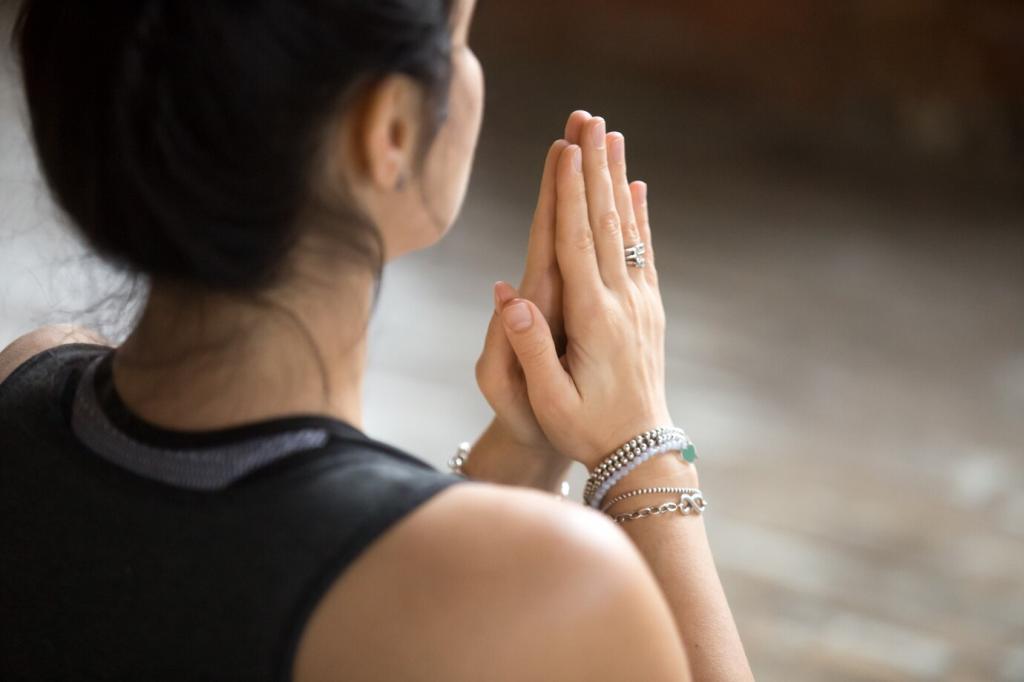
If chanting aloud feels uncomfortable, hum quietly or repeat internally. Pair mantra with gentle hand placement to anchor sensation. Remember, sincerity matters more than volume. Over time, many find their voice emerging naturally as confidence grows through consistent, nonjudgmental practice alongside supportive companions and teachers.

Deepening Practice: Tracking, Community, and Next Steps

Journaling Micro-Wins

After each session, write three lines: mantra used, felt shift, one gratitude. Over time, entries reveal patterns—times of day that work, phrases that resonate, and postures that amplify clarity. This evidence fuels commitment and refines mantra meditation for yoga sessions to fit your life realistically.

Monthly Themes and Gentle Progression

Choose a theme each month—stability, compassion, or awareness—and select a mantra to match. Keep practice short and consistent, then layer complexity slowly. Themes prevent stagnation, offering continuity without monotony, and cultivate a meaningful arc that carries through asana, breath, and sound with care.

Share Your Story, Grow Our Circle

What mantra supported you this week? Post a comment, ask a question, or suggest a theme you want explored. Subscribe to receive guided audios, sequencing ideas, and community challenges that keep mantra meditation for yoga sessions vibrant, warm, and genuinely supportive of your unfolding journey.
Edmarbraga
Privacy Overview

This website uses cookies so that we can provide you with the best user experience possible. Cookie information is stored in your browser and performs functions such as recognising you when you return to our website and helping our team to understand which sections of the website you find most interesting and useful.